

In 2020 with jobs on the line and people’s financial futures up in the air, it’s no wonder that many young people took to the internet to find ways to make money. Many settling upon the wonderful world of reselling.
This is nothing new, as people buying and selling shoes, clothes and concert tickets has always been a thing. But with nothing better to do than stay at home, many more people saw this as a viable way to make income. The item sharing app Depop saw an increase in UK users going from just over 1million users on iOS devices in 2019 to 2.5 million monthly users in 2021 (Statista).
Depop has been used by many to sell used items, their own or ones they picked up at local charity shops and car boot sales. It is also being used by people to start businesses, selling shoes, clothes and artwork.
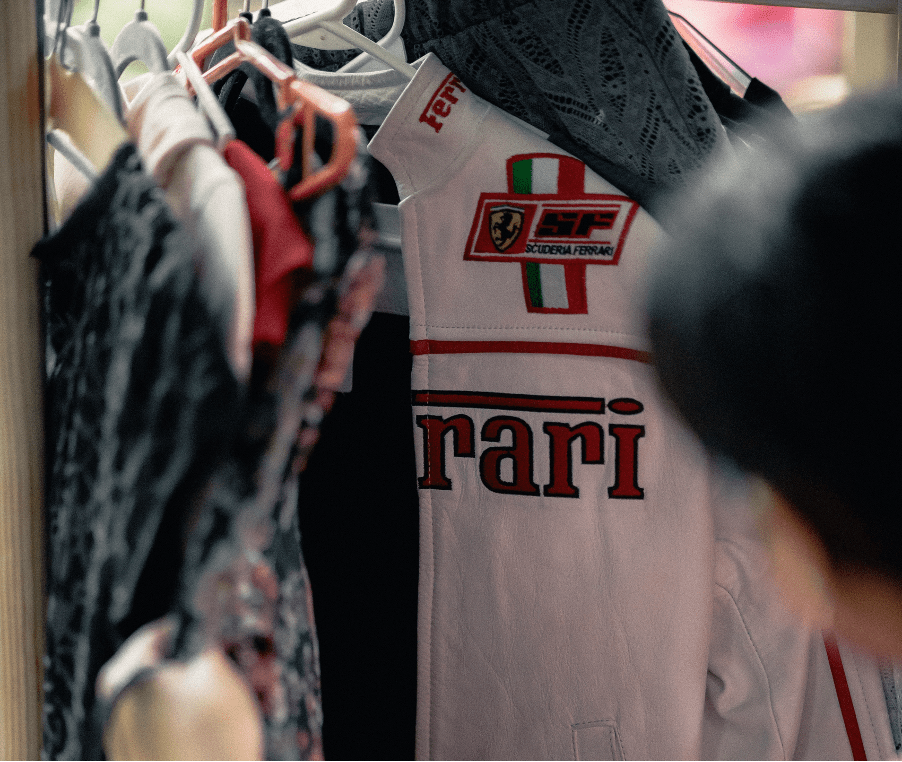
(Photo by Julio López on Unsplash|)
Reselling can be wonderful. It has big environmental benefits. For example, did you know that the clothes you buy online are likely to never see the shelf they came from again? Most returns go right to landfill and create 5 billion pounds of waste a year (Aequem). Meaning those who resell clothes that didn’t quite fit instead of returning them are lowering annual landfill.
With the rise of fast fashion, having a market for good quality, second-hand items maybe a shopping lifesaver to many people. It’s also good for people who don’t really shop the trends, but items to fit their style. Making it a great form of slow fashion, as Depop itself says on its site, “it slows the demand for new new.”
The problem arises when you bring economics into it. For high ticket items, resellers can make shopping hell for people. For example, back in the day of concerts, people would have to hope they weren’t beaten to a ticket by a reseller. These days shoe scalpers are the big issue.
Another issue that has come to light with the newfound popularity of thrifting to sell on, is what people online call, charity shop gentrification. In other words, charity shop gutting to the point where some places are upping their prices. Which is not good for the people who genuinely need to get clothes and shoes from charity shops but cannot find items anymore or the prices are too high. Granted this isn’t happening everywhere, but it is happening enough for people to want to talk about it online.
Shoe reselling
Shoe resellers have been around since the dawn of streetwear. Previously operating in smaller, local groups, acting as a supplier. The business has grown and gained more mainstream attention as retail went online. We spoke to shoe reseller and owner of @_drippcheck on Instagram, Eilan Bell-Bragg, on why he started selling shoes, stating that this is something he’s always done with shoes he bought for himself but found that he never wore, only making it into a serious business when Covid-19 hit and he lost his job, finding support from people who used to buy his shoes casually.
When it comes to buying from a reseller, shoppers can expect some freedom to get shoes that are hard to find or sold out. This can be rare vintage shoes or the latest release if they missed the ‘drop’ day at their local shoe store.
As for resellers, Eilan says “a pro of being a reseller is that I get to do something I enjoy whilst also making money at the same time.” Which a lot of people can relate to, as shoe reselling has boomed.
Being a reseller isn’t all glitter and sunshine it seems. Asking Eilan what a drawback of being a reseller is he explained that it is incredibly time consuming and expensive. There are also physical risks.
Eilan says, “I am also at a much larger risk of getting scammed or robbed since if I got sold a fake pair by someone I would be losing out on money as I can’t resell it onto a customer or there have been cases of many resellers getting robbed, and even some cases of people getting stabbed or killed in their own homes.”

Drawbacks for consumers are much less dangerous. Most stemming from the inconvenience of not being able to go to a shop and get the shoe they want because it has been bought by someone with the intention to resell it to them at a higher price. That price being one of the main drawbacks as resellers can mark up their products however much they want.
There has been some concern over people misusing the benefits of people around them. For example, in March 2020 there was a lot of news around how the ex- VP of Nike has co-signed on her son’s shoe reselling business. Where he posted images of himself stood Infront of piles of Nike shoes in his warehouses, these shoes generating him upwards of $600,000 a month.
In regard to the situation, Eilan says, “Its nothing new and it doesn’t surprise me because this is the sort of things that have been happening behind the scenes for years and Nike encourages it as they themselves are resellers, but people don’t realise it.”
Clothes reselling:
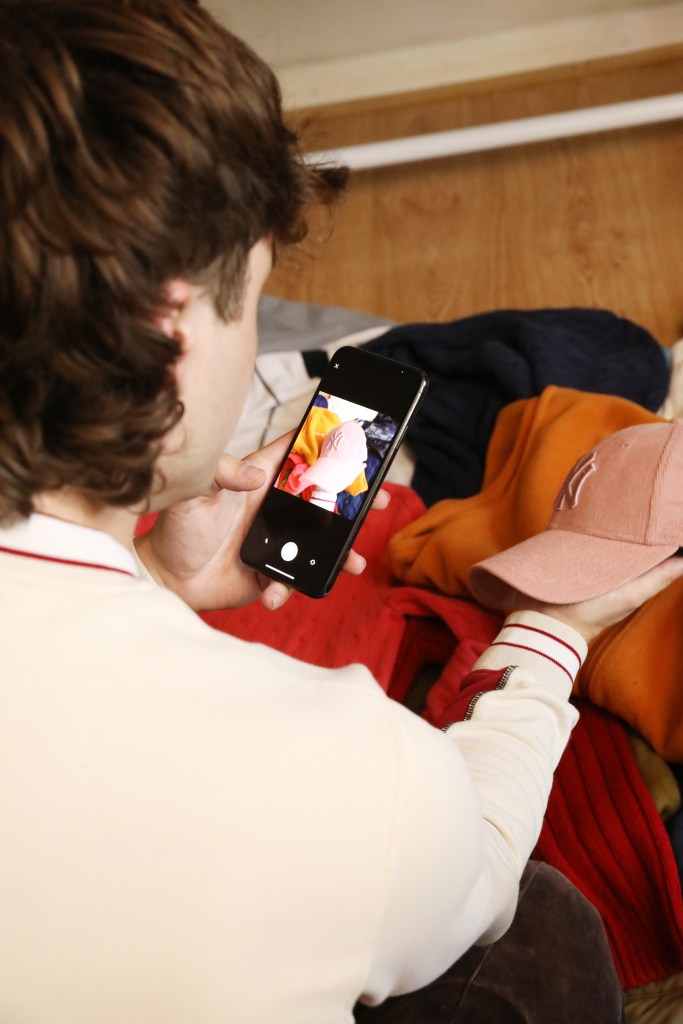
Unlike the niche that has become the shoe reselling business. Clothes resellers cover more ground and are arguably more infamous among online communities. With apps like Depop and Vinted gaining more popularity, it’s no wonder people turned to clothes flipping to make an income. Some with better intentions than others.
When it comes to the world of clothes reselling, it generally benefits the sellers by allowing them a flow of income. This is probably what intrigued people to turn to it when lockdown began but it has always been known that students and young people used the app for this reason anyway.
For consumers it can help people build wardrobes, which is a very big thing as people classify their look into an aesthetic and tend to go out looking for items that help build up their full look. It also helps because people can get items of clothes, they love from all over the world with a tap on a screen.
Reselling clothes really benefits the environment. Rather than letting clothes go to waste, people can get second-hand items and give them new life or even upcycle them for their small clothes businesses.

As for the drawbacks, consumers can find themselves exploited by unscrupulous sellers, trying to make a quick buck from anyone. Many have identified these people as sellers who sell items from Shein under the guise of other brands at full retail price. Usually marking them as essential for an aesthetic look.
However, these sellers are nothing compared to drop shippers. These are sellers who will sell you items to fit the trends, that they bought in bulk for cheap, at full Highstreet retail price. They often have ‘multiple sizes’ on the post, intending to sell to a wide market. In theory they shouldn’t be that bad, but they directly contribute to fast fashion, selling items that are hyper trendy at the time, and greying them out when the new trend drops in order to capitalise on peoples need to fit in.
This isn’t fully reseller’s fault though. When it comes to the trends, manufacturers and the modern fashion industry. Clothes went from having a 20-year trend cycle and seasonal trend updates to having a new trend almost weekly to push products. These items tend to be seen in ‘candid’ shots of popular celebrities that are plastered over social media. Fast fashion has become the industry standard and people who want to fight against it are arguing for slow fashion. The very thing Depop says it wants to promote. Hence its old reputation of selling vintage clothes.
This story was orginally written in 2021 and shared to my Uni’s internal student blog. This is a reupload.


 The NewRxmantic